


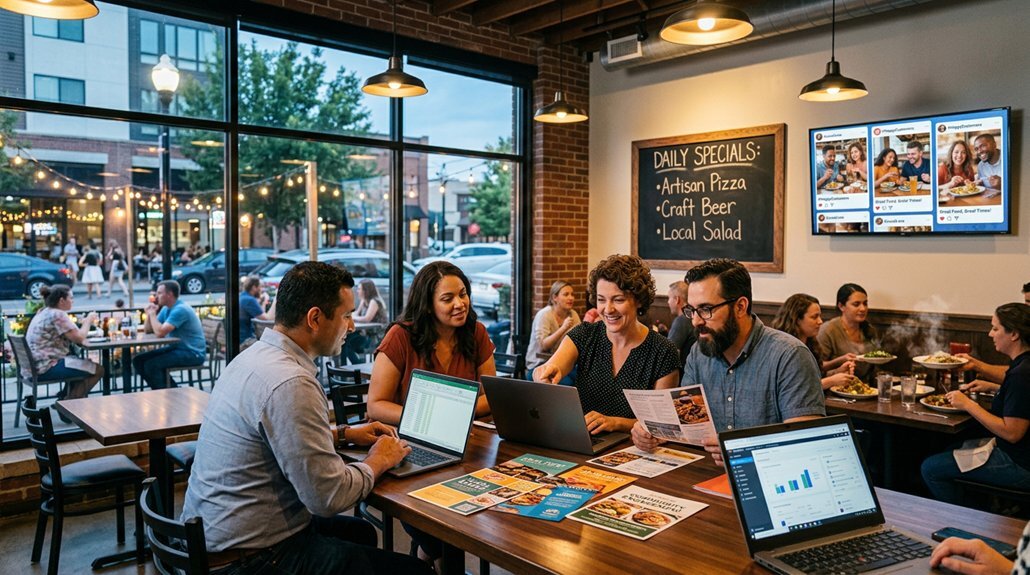
As a franchise owner, your national brand won't automatically fill seats—local marketing does. Since 80% of consumer spending happens within 50 miles of home, your ideal customers are already nearby. They're just choosing competitors who show up first in searches, social feeds, and community events. You need a local strategy covering SEO, geo-targeted ads, social engagement, and retention systems to capture and keep them. Keep going to see exactly how.
Why Local Marketing Makes or Breaks a Franchise
 .
.
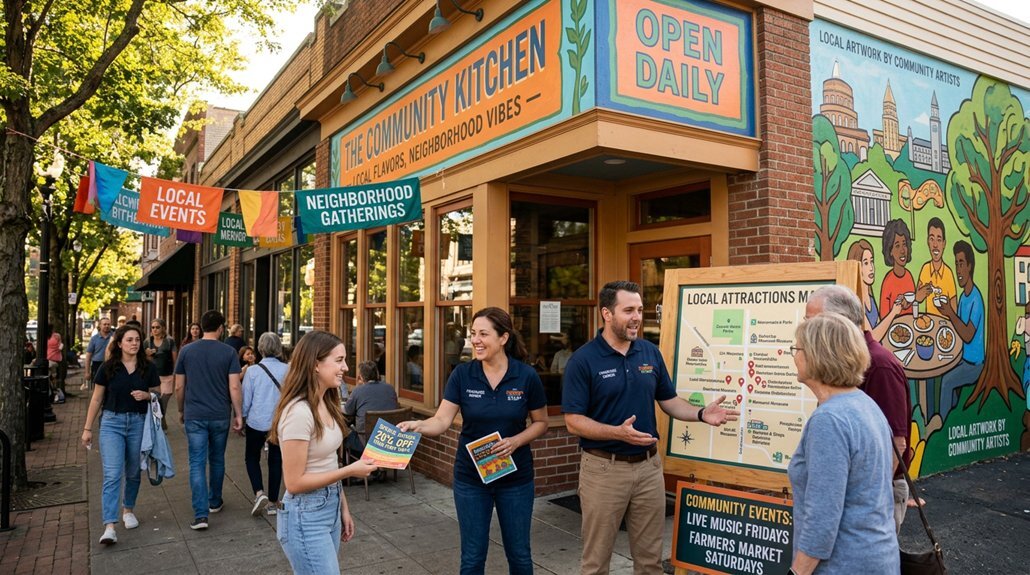
When you're running a restaurant franchise, national brand recognition only gets you so far. The real growth happens at the community level, where your customers actually live, work, and spend their money.
Consider this: 80 percent of consumer budgets are spent within 50 miles of home, and 57 percent of consumers actively prefer supporting local businesses. That preference is your opportunity. Active participation in local events can significantly enhance your visibility and reputation in the area.
If you're not marketing directly to your surrounding community, you're leaving revenue on the table while competitors capture the customers who should be yours. National campaigns set the tone, but local marketing closes the deal.
It's what transforms a familiar brand name into a neighborhood staple that people choose again and again, not because they've to, but because they genuinely want to. Personalized marketing messages increase receptivity among potential customers, making every local touchpoint an asset in building that lasting connection.
Get Found First With Local SEO and Google Business
Before a single customer walks through your door, they've already made a decision about you—and that decision almost always starts with a Google search.
Your Google Business Profile isn't optional—it's the engine driving Map Pack rankings, reservation clicks, direction requests, and foot traffic. Local partnerships can further enhance your visibility and engagement with the community.
Your Google Business Profile isn't a suggestion—it's the engine behind every click, visit, and reservation your franchise earns.
That Local Pack captures 33% of all local search clicks, while the first organic result pulls just 8%. That gap matters enormously for your franchise's bottom line.
Keep your hours accurate, update photos weekly, and respond to every review promptly. These aren't small tasks—they're ranking signals Google actively measures.
With 46% of all searches carrying local intent, your visibility in Maps directly converts hungry nearby customers into paying guests.
Your primary category should reflect your specific cuisine type, as accurate category selection directly influences which searches trigger your profile to appear.
Optimize consistently, or watch competitors claim those clicks instead.Run Geo-Targeted Local Marketing Ads That Fill Seats
.
Every dollar you spend on advertising should be working harder than the last—and geo-targeted ads make that possible.
Platforms like Google, Meta, and TikTok let you target customers within a specific radius of your location—sometimes as tight as 1.2 miles during peak lunch hours. That precision matters.
One national quick-service chain drove 2.3 million incremental store visits at just $1.84 per verified visit using geotargeted campaigns. That's not a coincidence—it's strategy.
You can push promotions during slow periods, trigger offers when customers enter a nearby zone, and personalize messaging based on real-time conditions like weather or time of day.
Pair those ads with location-specific landing pages, and you're not just reaching people—you're converting them into paying customers walking through your door. In fact, 72% of franchise brands now recognize digital advertising as one of their most effective tools for generating leads.
Build Local Marketing Momentum Through Social and Community Events
Your restaurant's social media presence isn't just a marketing channel—it's the first handshake you make with a potential customer before they ever walk through your door. Seventy-four percent of diners check social media before opening a map app, which means your content is working before your host ever says hello.
Platforms aren't equal. Instagram drives 2.2% per-follower engagement for food content, TikTok hits 2.5%, and 59% of diners still discover restaurants through Facebook.
Showing up consistently across these channels, with short-form video and active community response, produces measurable revenue lifts within 60–90 days. Social-first brands saw a 14.1% average revenue increase, making consistency across platforms one of the highest-return investments a franchise owner can make.
Engage every comment. Respond to every message within 24 hours. Restaurants that do see 40% higher spending from followers—and 27% stronger customer retention overall.
Convert First-Time Visitors Into Repeat Local Customers With Retention Offers
 .
.
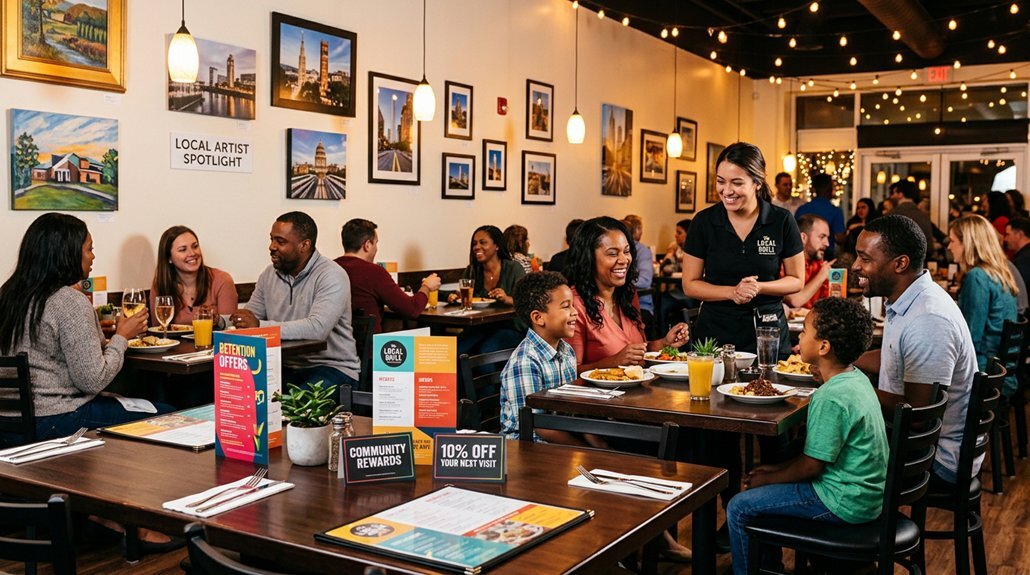
Getting people through the door is only half the battle—keeping them coming back is where the real revenue lives. Seventy percent of first-time diners never return, but that statistic isn't fate; it's a gap your automated follow-up sequences can close.
A structured 3-7-30 day messaging cadence, combining SMS and email, pushes first-visit return rates from the 25% industry average toward 35-45%. That difference compounds fast—each 1% improvement in guest retention generates roughly $37,500 in incremental annual revenue per location.
Behavioral data sharpens your targeting further, letting you reach lunch regulars who've never tried dinner or high-value guests whose visit frequency is quietly dropping. Precision beats guesswork every time, and your retention system should reflect that reality. Repeat guests spend 67% more per order than first-time visitors, making every successful re-engagement effort worth far more than its cost.
Frequently Asked Questions
How Do I Balance National Brand Guidelines With Local Marketing Autonomy?
You'll balance both by using corporate-approved templates that allow local customization, following pre-approval processes for campaigns, and leveraging seasonal toolkits—so you're maintaining brand consistency while still connecting authentically with your local community.
What Budget Percentage Should New Franchise Locations Allocate Toward Local Marketing?
As a new franchise location, you should allocate 6-10% of total sales revenue toward local marketing. If you're in a competitive urban market or building brand awareness, you'll want to invest 15-20%.
How Can Franchise Owners Measure the ROI of Local Marketing Campaigns?
You can measure ROI by tracking location-specific KPIs, using unique call tracking numbers and UTM parameters, then applying the formula: (Net Profit ÷ Marketing Expenses) × 100 to compare campaign performance across your franchise locations.
What Legal Considerations Exist When Running Location-Specific Promotional Offers?
When running location-specific promotions, you must guarantee your offers align with your Franchise Disclosure Document, comply with state advertising laws, and obtain franchisor approval before launching. Some states restrict certain claims, so always verify local legal requirements first.
How Do I Coordinate Local Marketing Efforts Across Multiple Franchise Locations?
You'll coordinate local marketing by balancing corporate oversight with local autonomy, sharing centralized brand assets and templates, leveraging location-specific data, and fostering cross-location collaboration through regular communication touchpoints that distribute successful campaign insights system-wide.