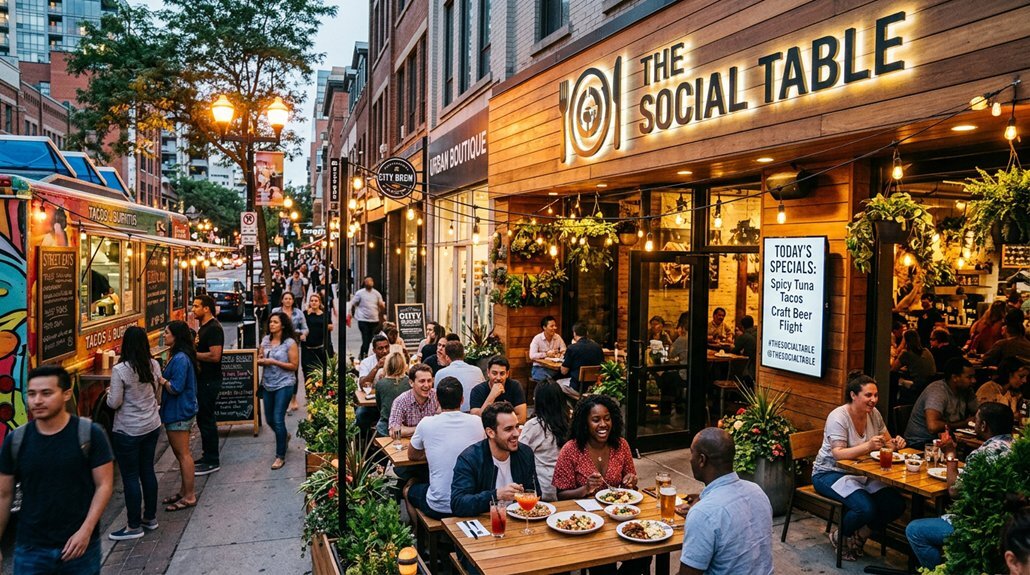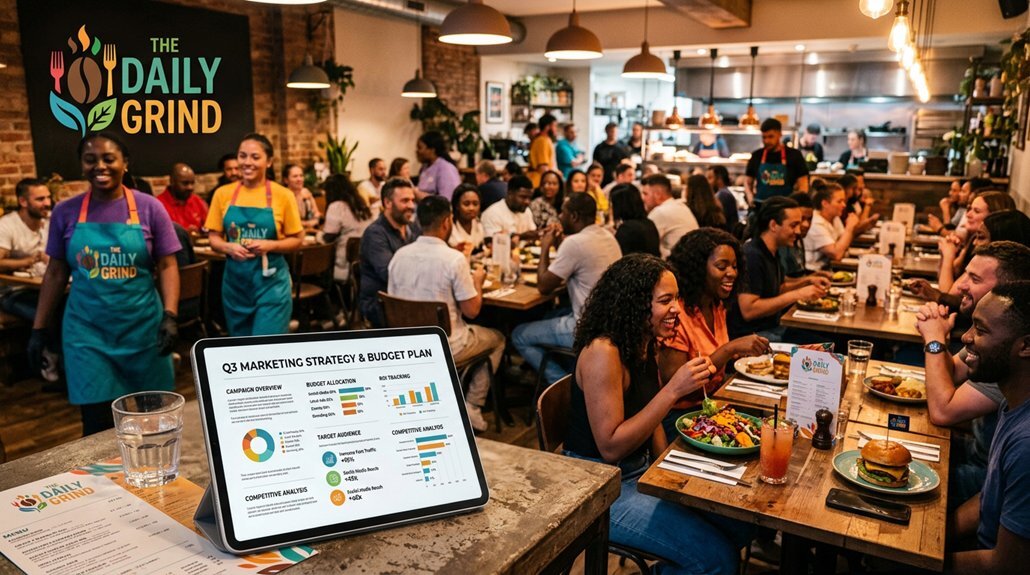


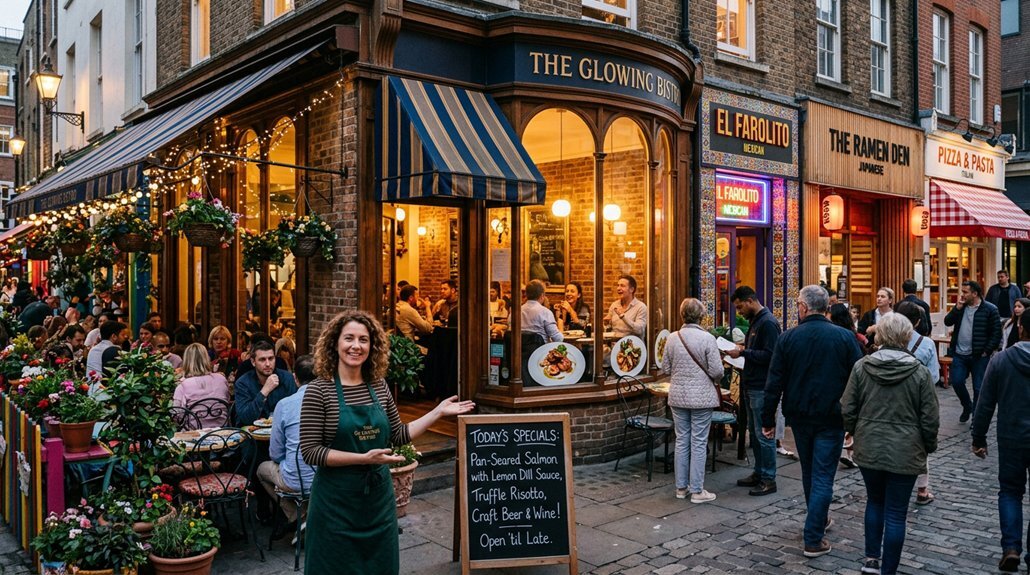
Building a restaurant brand that survives means creating an identity guests recognize, trust, and return to — not just food they enjoy once. With 42% of operators failing to turn a profit, you can’t afford a vague or inconsistent brand presence. Define your unique selling proposition, show up consistently across every touchpoint, and use targeted marketing to turn first-time visitors into regulars. The strategies that separate thriving restaurants from closed ones are more actionable than you’d expect.
Why Most Restaurant Brands Fade: And What the Survivors Do Differently
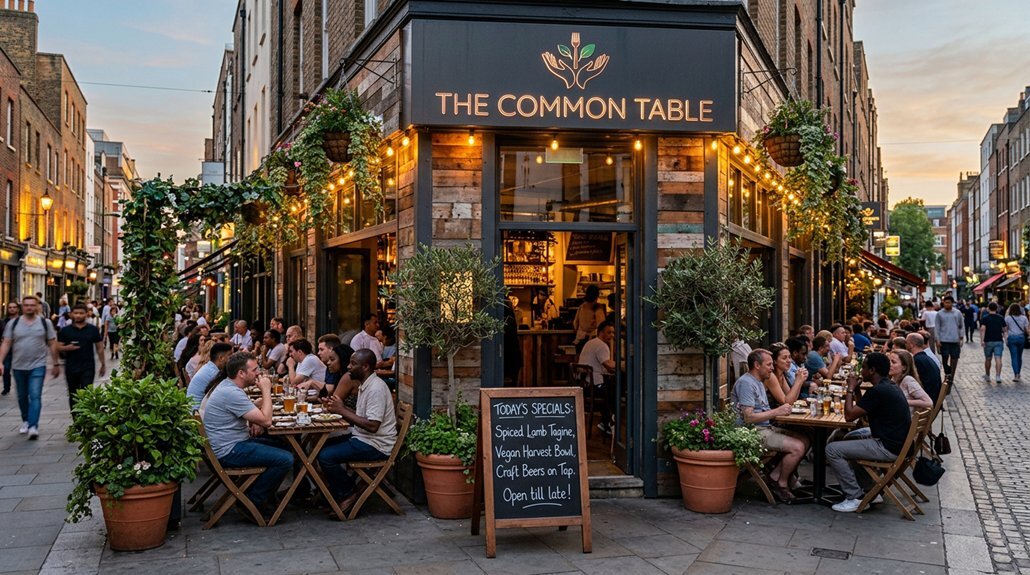
The restaurant industry is quietly sorting itself into two groups right now—those building something that lasts and those burning through their remaining runway without realizing it.
The numbers aren’t subtle: 42% of operators weren’t profitable in 2025, and 9% of full-service restaurants are at genuine closure risk heading into 2026.
What separates survivors isn’t luck—it’s decisions. Fast casual brands grew 15.5% since 2022 while casual dining shrank. Limited-service concepts face half the closure risk of full-service ones. The brands still standing are doing something different: they’re benchmarking against local competitors, not just their own history, and they’re reallocating capital toward locations with real growth potential. Engaging in community events can also create loyal customer bases that help sustain long-term success.
Fast casual grew 15.5% while casual dining shrank. The difference isn’t luck—it’s the decisions operators made.
You can’t outrun bad fundamentals, but you can stop pretending they don’t exist. Inflation has driven costs up nearly a third since 2019, making it impossible for struggling units to recover without decisive action.Build a Brand Identity Guests Recognize and Return For
Brand identity isn’t decoration—it’s the silent contract you make with every guest who walks through your door. Every color, uniform, and plated dish either reinforces that contract or breaks it.
Consistency is what separates memorable brands from forgettable ones—it’s why McDonald’s golden arches or KFC’s colonel trigger instant recognition across every market. Engaging content that showcases your unique offerings can significantly enhance this recognition and draw in new guests through creative posts.
Your unique selling proposition must anchor everything. Know what makes you different, communicate it clearly across every touchpoint, and tailor it to the people you’re actually serving.
Guests don’t return because your logo looks sharp—they return because you delivered the same experience they trusted last time.
Strong brand identity also drives retention, and retention drives survival. In an industry where 80% of restaurants fail before year five, recognition isn’t optional—it’s your lifeline. Beyond recognition, a powerful brand creates community and belonging that transforms first-time visitors into loyal, returning patrons.Win the Restaurant Marketing Battle Before Guests Walk In
Once your brand identity is locked in—your colors, your voice, your promise—the next battle is getting people through the door for the first time.
Start by optimizing your Google Business Profile so nearby diners can actually find you. Then claim your social media handles early and post teaser content that builds real anticipation.
A simple landing page collecting emails before you open gives you a direct line to your first wave of guests.
Partner with local businesses and food influencers who already have your audience’s trust.
When someone books, send a confirmation immediately. Follow up three to seven days before their visit with personalized subject lines, and link to your menu and local events.
You’re not waiting for guests—you’re pulling them in. Use pre-arrival emails to gather guest preference data so every follow-up feels relevant rather than generic.Convert First-Time Guests Into High-Value Regulars
Getting a first-time guest through the door is a win, but it’s only half the battle—the real revenue is built in what happens next.
Automated follow-up sequences deployed at 3, 7, and 30 days drive first-visit return rates to 35-45%, well above the 25% industry average.
Automated follow-up sequences at 3, 7, and 30 days push first-visit return rates to 35-45%—far above the 25% industry average.
You’re not just sending reminders—you’re building a relationship through personalized offers tied to order history, dining frequency, and preferences, which increases return likelihood by 72%.
Moving guests from occasional status ($345 LTV) to regular status ($685 LTV) doubles their value to your business.
Loyalty programs accelerate that shift, with members visiting 20% more frequently and spending 20% more per visit.
Win-back campaigns targeting 90-day inactive guests recover 12-15% who’d otherwise be lost permanently. In fact, restaurants relying on fragmented systems see a 78.8% guest churn rate, costing roughly $375,380 per location every year.Allocate Your Restaurant Marketing Budget for Maximum ROI
Most restaurant owners treat their marketing budget like a gut-feel expense rather than a strategic investment, and that disconnect is exactly where profits disappear. Your stage of business determines your starting point: new restaurants need 7-8% of projected revenue, while established restaurants operate effectively at 3-6%.
Where you direct that money matters just as much as how much you spend. Push 60-70% toward digital channels, prioritizing social media, SEO, and pay-per-click. Reserve 20-25% specifically for retention marketing, which delivers 3.3x more value per dollar than acquisition campaigns. Designing an attractive rewards structure can enhance retention by making customers feel valued and connected to your brand.
Don’t spread resources thin chasing every channel. Local SEO alone drives 40-60% foot traffic increases within 90 days. SMS marketing converts at 45% compared to email’s 6%. Acquiring a new customer costs $15-30, while retaining an existing customer costs only $2-3.
Pick high-performers, measure ruthlessly, and cut what doesn’t perform within 10 days.Frequently Asked Questions
How Do I Handle Negative Online Reviews Without Damaging My Brand?
Respond to every negative review within 24 hours, acknowledge the issue, and offer a resolution. You’ll retain customers, show accountability, and transform complaints into trust-building opportunities that actually strengthen your brand’s reputation.
Should I Franchise My Restaurant Concept Once My Brand Gains Traction?
Yes, you should consider franchising once your brand gains traction. You’ll leverage proven systems, reduce marketing burdens, and tap into a $921.4 billion industry projected to support 8.9 million jobs by 2026.
How Do Seasonal Menu Changes Affect Long-Term Brand Consistency and Identity?
Seasonal menu changes strengthen your brand when you keep 60-70% of your core items consistent. They’ll showcase your evolution without alienating loyal customers, as long as new offerings align naturally with your established culinary identity.
What Legal Steps Protect My Restaurant’s Name, Logo, and Signature Concepts?
Register your restaurant’s name first through USPTO’s TEAS system, then trademark your logo. You’ll gain nationwide protection, prevent copycats, and establish legal ownership. Consider hiring a trademark attorney to catch conflicts you’d likely miss yourself.
How Do I Maintain Brand Culture When Expanding to Multiple Restaurant Locations?
Train your team on core values before skills, use cloud-based tools to monitor standards across locations, and let loyalty programs reinforce your culture. Consistent hospitality—not just consistent food—keeps your brand identity intact while you’re scaling.